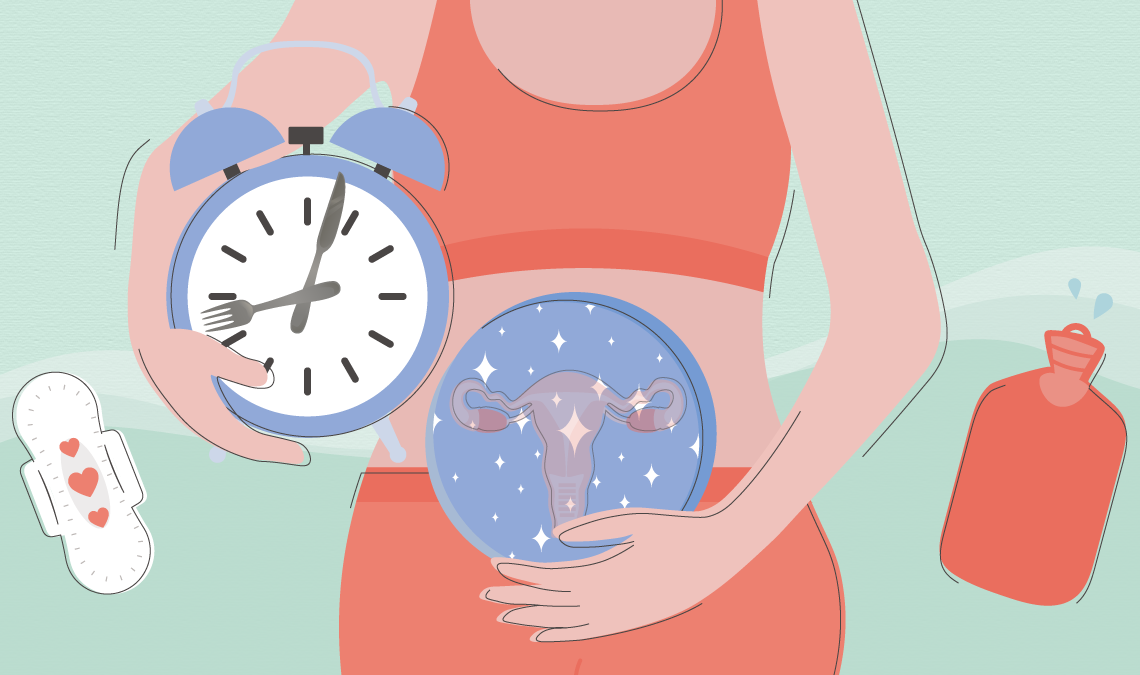
 Fasting during menstruation isn’t one-size-fits-all. Whether you fast for spiritual reasons, as part of your wellness routine, or during cultural events like Navratri or Ramadan (although in many cultures, women don’t fast if they are on their period), it’s totally valid to wonder how that fits with your cycle.
Because here’s the truth, our bodies go through a lot during our periods. And adding fasting into the mix can sometimes feel empowering… or honestly, just exhausting. So if you’ve ever felt conflicted, guilty, or just confused about whether you “should” fast while on your period, this one’s for you.
Let’s unpack the science, the cultural norms, and most importantly, what feels right for your body.
Can you fast during your period?
Yes, you can fast during your period, but it’s important to consider your body’s needs while menstruation.
During your period, your body is already using up a lot of energy. You’re literally shedding the lining of your uterus while navigating hormone chaos. Fasting can add extra stress, especially if it means you’re not eating enough or staying hydrated enough.
That doesn’t mean fasting during menstruation is harmful. It just means it’s a time to be more mindful and gentle. Listen in, not just check boxes.
Could fasting during menstruation be bad for your health?
Maybe, depending on how your body handles it. Research shows that fasting could cause menstrual abnormalities. Let’s break how and why:
- Nutritional Needs: During menstruation, women may experience increased nutritional requirements, particularly for iron and other essential nutrients lost through menstrual bleeding. Fasting may exacerbate these deficiencies, potentially leading to fatigue, weakness, and other health issues.
- Hydration: Staying hydrated is crucial during menstruation to help alleviate symptoms such as bloating and fatigue. Fasting, especially if it involves abstaining from fluids, can lead to dehydration, which may worsen menstrual discomfort and affect overall health.
- Energy Levels: Many women experience fluctuations in energy levels during menstruation, with some feeling more fatigued than usual. Fasting may further deplete energy reserves, making it challenging to cope with the demands of daily life and potentially exacerbating feelings of tiredness and lethargy.
- Hormonal Balance: Hormonal changes during menstruation can affect mood, appetite, and energy levels. Fasting may disrupt hormonal balance, leading to mood swings, irritability, and other emotional symptoms commonly associated with PMS (premenstrual syndrome).
Read More About Fasting During Menstruation